
Best starting point: your resort’s owner-services team. Best for a disputed debt or legal notice: a licensed attorney. Best for an initial resale assessment: Sold My Timeshare. The best timeshare exit companies for owners behind on payments in 2026 are the ones that address your overdue balance and ownership together—not just promise to end future bills.
- The best timeshare exit companies for owners behind on payments must address overdue balances, not just ownership transfers.
- Contact your resort first to ask about hardship assistance and surrender eligibility.
- Choose a licensed attorney for disputed debts, lawsuits, or foreclosure notices.
- Sold My Timeshare provides free, no-obligation valuations and resale/exit assistance; a valuation does not release debt.
Why this matters
Being behind on payments changes the question from “Who can sell my timeshare?” to “What happens to the debt if I leave?” Those are different problems. A completed ownership transfer does not, by itself, establish that a lender or other creditor has released an existing debt.
Your first task in 2026 is to identify what is overdue: a purchase loan, maintenance assessments, or both. Then choose help that addresses that specific obligation. Do not treat an exit-service agreement as permission to ignore your lender, resort, or court notices.
What makes the best timeshare exit help?
Use these criteria before comparing providers. A confident sales pitch is not evidence that your account qualifies for an exit.
- Account-specific eligibility: The provider asks about your loan, overdue assessments, ownership type, and any collection notices before recommending a route.
- Debt treatment: The explanation separates ending ownership from resolving existing balances and identifies who must approve each outcome.
- Written scope: The agreement states what the provider will do, what you must do, and what remains outside its control.
- Verifiable authority: A resort representative can discuss resort requirements; a licensed attorney can advise on legal rights within the attorney’s scope of practice.
- Defined completion: You receive an explanation of what documents will establish transfer, surrender, settlement, or release—not merely that work has started.
- No pressure to stop paying: Payment decisions follow an account review and appropriate advice, not a generic instruction from a salesperson.
Timeshare exit options at a glance
This 2026 comparison ranks routes by the problem they address. It does not treat a resort department, a law practice, and a resale-assistance service as interchangeable businesses.
| Rank and option | Best for | Standout function | Key limitation |
|---|---|---|---|
| 1. Resort owner services | Asking about hardship arrangements or direct surrender | Can explain the resort’s requirements for your account | Cannot be assumed to release a separate lender’s debt |
| 2. Licensed attorney | Disputed obligations, lawsuits, or foreclosure notices | Can assess legal rights and respond within the agreed representation | Legal representation does not guarantee cancellation or debt forgiveness |
| 3. Sold My Timeshare | An initial valuation and resale/exit discussion | Provides free, no-obligation valuations and resale/exit assistance | A valuation does not establish that a delinquent ownership can transfer |
A delinquent owner needs a route that handles the debt, not simply a provider that handles paperwork. Use the sections below to match your situation to the right first conversation.
1. Resort owner services: best for direct account options
Your resort’s owner-services team is the starting point for asking whether your ownership qualifies for a hardship arrangement, repayment discussion, or surrender process. Ask about your specific account rather than relying on another owner’s experience. Eligibility and required documents belong in writing.
If a separate lender financed the purchase, contact that lender about the loan as well. A resort representative’s explanation of ownership requirements is not a substitute for the lender’s position on the debt.
Resort owner services pros:
- Gives you a direct channel to ask about your ownership account.
- Can explain which documents the resort requires for its own process.
- Lets you ask whether overdue assessments affect surrender eligibility.
- Helps distinguish resort requirements from a third party’s proposed service.
Resort owner services cons:
- Your account does not automatically qualify for a surrender or hardship arrangement.
- The resort’s process does not necessarily resolve financing held by another creditor.
- A customer-service conversation is not independent legal advice.
What to ask the resort
Ask: “What options apply to my account while payments are overdue?” Follow with questions about outstanding assessments, transfer restrictions, and whether any proposed arrangement releases past obligations or only changes future ones.
Request the terms before accepting. Keep correspondence, reference numbers, and copies of anything you sign. If the resort refuses your request, ask for the reason and whether another department handles hardship reviews.
Best for: Owners who need to establish whether a direct account arrangement exists before hiring outside help.
Verdict: Hold off on an outside contract until you have requested the resort’s written requirements.
2. Licensed attorney: best for disputes and legal notices
A licensed attorney is the right category of help when your problem includes a lawsuit, foreclosure notice, disputed debt, or a specific allegation of misrepresentation. Choose counsel who can assess the relevant ownership documents and jurisdiction. A general promise to “cancel any timeshare” is not a substitute for that review.
For legal problems, prioritize the notice’s deadline over a company’s sales appointment. The guide to timeshare exit attorneys explains the attorney-focused route; verify any prospective lawyer’s license through the relevant state bar.
Licensed attorney pros:
- Can assess legal rights and obligations within the agreed representation.
- Can explain the consequences of a proposed settlement or release.
- Can respond to legal proceedings when retained for that work.
- Can separate a contract dispute from a routine resale problem.
Licensed attorney cons:
- Representation does not guarantee debt cancellation or an ownership exit.
- The engagement must specify whether collections, litigation, negotiation, or transfer work is included.
- An exit company’s reference to “legal support” does not establish that you personally have retained an attorney.
Confirm who represents you
Ask for the attorney’s name, licensing jurisdiction, and written engagement terms. Confirm who the client is and who will communicate with the lender, resort, collector, or court.
Before signing, ask what happens if negotiations fail. You need to understand the remaining obligations and whether further representation requires a separate agreement.
Best for: Owners whose overdue payments involve contested obligations or formal legal action.
Verdict: Buy legal representation based on your documents and deadlines, not a blanket cancellation promise.
3. Sold My Timeshare: best for an initial resale assessment
Sold My Timeshare is best for owners seeking a free, no-obligation timeshare valuation and an initial resale/exit discussion. That is a starting point for understanding your ownership—not proof that a sale will resolve overdue payments.
Bring the purchase-loan information, assessment statement, and any collection correspondence to the discussion. Ask how delinquency affects the proposed route and which approvals would be required before ownership changes.
Sold My Timeshare pros:
- Provides a free, no-obligation timeshare valuation.
- Offers resale/exit assistance for owners looking to sell or leave ownership.
- Provides an initial discussion without requiring you to treat a valuation as an exit commitment.
Sold My Timeshare cons:
- A valuation is not a buyer offer, completed transfer, or debt release.
- Resale/exit assistance does not establish that your lender will forgive an outstanding balance.
- A resale discussion is not a substitute for responding to a lawsuit or obtaining legal advice.
Keep the valuation and the debt separate
Compare any proposed resale route with the obligations shown on your actual statements. Ask who handles transfer requirements, how existing balances would be addressed, and what written evidence would confirm completion.
Do not assume that an estimated resale value equals the amount you will receive after resolving the transaction’s obligations. Get an account-specific explanation before deciding.
Best for: Owners who want a low-commitment assessment before deciding whether to pursue resale or another exit route.
Verdict: Hold a valuation discussion first; commit only after the debt and transfer requirements are clear.
Before hiring: organize your overdue account
Build your 2026 decision around documents rather than recollection. Use these 3 document groups to prepare for a resort, provider, or attorney conversation.
Gather statements
Collect the latest purchase-loan statement and maintenance-assessment statement. Identify 2 balances separately: financing owed to the lender and assessments owed under the ownership arrangement. If no purchase loan remains, mark that clearly rather than treating every charge as the same debt.
Gather notices
Collect collection letters, default notices, and court papers. Record each stated response date exactly as written. A service consultation does not extend a court deadline or change the instructions in a notice.
Gather agreements
Collect the purchase contract, financing agreement, and any previous exit-service agreement. Include written promises, payment receipts, and messages about cancellation or transfer. These documents help distinguish what was promised from what was completed.
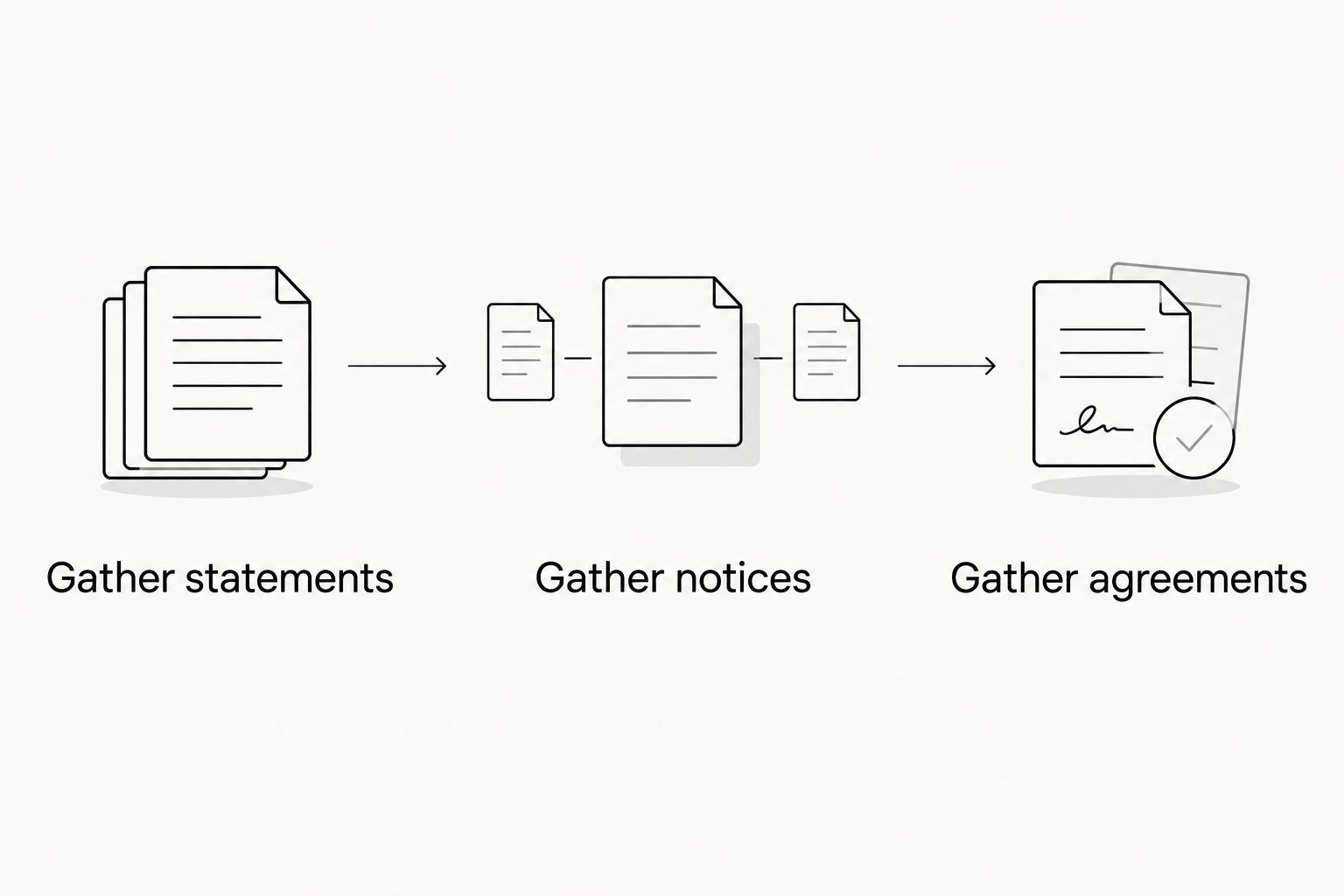
With those documents together, ask every provider the same question: “What changes for each obligation if your proposed process succeeds?” Request 1 written account summary that distinguishes ownership, overdue assessments, and financing before you compare proposals.
Warning signs to reject in 2026
An overdue account creates pressure. Do not let that pressure replace basic checks on the person asking you to sign.
- Guaranteed outcomes before document review: A provider cannot establish your contract rights or lender’s decision without assessing the relevant facts.
- Blanket instructions to stop paying: Missed payments can have collection, credit, and legal consequences. Obtain advice specific to your obligations.
- Unclear legal representation: Ask whether an attorney represents you personally and request the engagement agreement.
- A transfer promise without debt terms: Ask what happens to each existing balance, not only whose name appears on the ownership afterward.
- Pressure to ignore notices: Preserve every notice and address its stated requirements promptly.
- Completion defined as sending letters: Ask which documents will demonstrate the promised result.
A money-back provision and an ownership release are different contract terms. Read each separately; neither should be treated as evidence that the other exists.
How these options are ranked
The order follows the account problem: establish direct resort requirements, obtain legal help for disputes or proceedings, and assess resale when that route fits the ownership. The criteria are debt treatment, written scope, authority, and proof of completion.
This is a route-selection guide, not a success-rate leaderboard. No company name removes the need to check your own contract, balances, and notices.
Which timeshare exit option should you choose?
For an undecided owner in 2026, start with the resort’s written requirements and a clear account summary. If you have a lawsuit or foreclosure notice, prioritize an attorney’s review instead of waiting for a resale discussion.
Choose Sold My Timeshare for a timeshare valuation and initial resale/exit assessment when you want to understand that route. Keep the decision conditional on how the proposal handles overdue assessments, financing, and transfer approval.
Your next move is to identify the obligation that blocks your exit—not sign the first exit contract offered.
FAQ
What are the best timeshare exit companies for owners behind on payments?
The best fit depends on whether your immediate problem is overdue assessments, a purchase loan, or legal action. Start with resort owner services for account requirements, use a licensed attorney for disputes or proceedings, and consider resale assistance only after clarifying the debt.
Can I sell my timeshare if I am behind on payments?
A resale depends on your ownership documents, outstanding obligations, and applicable transfer requirements. Get written clarification of how overdue assessments and any purchase loan would be handled before treating resale as an exit.
Will a timeshare exit company erase my overdue loan?
Hiring an exit company does not itself erase a loan. A debt release must come from a legally effective arrangement involving the relevant creditor or another applicable legal process.
Should I stop paying while an exit company works on my case?
Do not treat an exit-service contract as permission to stop paying. Review your obligations and obtain advice specific to your account before making a payment decision.
Is a resort surrender better than hiring an exit company?
A resort surrender is a direct route to investigate when your account qualifies, but it is not automatically available or sufficient. Check whether the written terms address ownership, overdue assessments, and any separate financing.
When do I need a timeshare attorney instead of resale help?
Prioritize an attorney when you face a lawsuit, foreclosure notice, disputed obligation, or a legal deadline. A resale consultation does not replace a legal response.
Does a free timeshare valuation mean I can leave without paying the balance?
A free valuation assesses the ownership; it does not release an outstanding balance. Ask separately how existing debts and transfer requirements affect any proposed exit.
One last thing
“Your ownership ended” and “your debt was released” are different statements. Before treating an exit as complete, match each original obligation to the document that explains its outcome. Keep those records with your contract—not just the provider’s completion email.