
Yes, you can transfer a timeshare to someone else without asking the recipient to pay you, provided the ownership agreement permits the transfer and the recipient accepts it. A gift does not automatically eliminate transfer expenses, outstanding debt, or your responsibility for the account; you need the required documents, approvals, and confirmation that your obligations have ended.
- Can you transfer a timeshare for free? A gift is possible, but closing expenses and existing obligations need separate resolution.
- Sold My Timeshare offers timeshare valuations and resale/exit assistance for owners considering their next step.
- A recorded deed does not automatically release a timeshare loan or complete a resort account transfer.
- Get written acceptance, confirm the transfer requirements, and verify your release before treating the ownership as transferred.
Can you transfer a timeshare to someone else for free?
You can give away transferable ownership, but a gift and a completed release are different things. The recipient must knowingly accept the ownership, and the transaction must satisfy the rules governing that particular timeshare.
There are 3 separate checks: whether ownership can transfer, whether the resort recognizes the new owner, and whether any lender releases you. Do not substitute one for another. The distinction is especially important when considering a quitclaim deed for a timeshare exit.
| Route | Best for | Main advantage | Main limitation |
|---|---|---|---|
| Gift to another person | An owner with a willing, informed recipient | Transfers ownership without requiring payment to the seller | Requires valid documents and any required approvals; debt needs separate treatment |
| Resale | An owner seeking a buyer rather than arranging a gift | Lets another owner acquire the interest through a sale | Requires a buyer and completion of the applicable closing process |
| Resort surrender or deed-back | An owner whose resort accepts the ownership back | Avoids finding an individual recipient | Depends on the resort's acceptance and written terms |
A resort surrender is not the same transaction as giving ownership to a friend. Ask which route your resort actually permits before preparing paperwork.
Why this matters
Giving someone permission to use your vacation week does not make that person the owner. Likewise, a private agreement that someone else will pay the annual bills does not necessarily change who owes the resort or lender.
For a transfer planned in 2026, ask for the resort's current written instructions rather than relying on an old form. Your goal is a completed ownership change and a documented end to your obligations—not simply a signed gift agreement.
The recipient also needs a clear picture of what they are accepting. Vacation access comes with the ownership's ongoing obligations, restrictions, and administrative requirements.
Giving a timeshare to a family member or friend
Best for: an owner who already has a willing recipient. A family transfer can avoid the search for a buyer, but the relationship does not replace the formal transfer process. Confirm that the intended recipient is eligible to receive the interest.
Give the recipient the governing documents, current account statement, annual assessment information, and any notice of special assessments. Explain the booking rules and distinguish ownership benefits from benefits that do not transfer under the applicable program.
The main advantage is that both parties can discuss the arrangement directly. The main drawback is the risk of a misunderstanding: a relative who wants occasional vacations might not want a continuing ownership obligation.
Do not sign on someone else's behalf without valid authority. The recipient should review and accept the documents required for the particular ownership.
Transferring deeded ownership
Best for: an owner whose timeshare interest is held through a deed. The correct deed, signatures, delivery, and recording requirements depend on the property's jurisdiction and the ownership documents. A qualified closing professional or real estate attorney can identify the required paperwork.
A deed addresses title. It does not, by itself, establish that a lender has released the borrower or that the resort has completed its account update.
The advantage of a properly completed deed transfer is a documented change in property ownership. The limitation is that title paperwork alone does not resolve every contractual obligation. Ask for separate confirmation covering the resort account and any loan.
For your 2026 transfer file, keep the executed documents, recording confirmation where applicable, resort acceptance, and lender correspondence together. Each document answers a different question about completion.
Transferring points or a right-to-use membership
Best for: an owner whose interest transfers through a membership or contract rather than a property deed. Start with the governing agreement. The required process might involve an assignment, membership application, account review, or other program-specific documents.
Distinguish a permanent ownership transfer from moving points for a reservation or allowing a guest to travel. Those actions are not interchangeable.
The advantage is that the agreement identifies the administrative route you need to follow. The limitation is that eligibility and transferable benefits depend on that agreement; do not promise the recipient that every privilege on your existing account will continue.
Ask the administrator to identify what transfers, what does not, and what written confirmation marks completion. Get the answer before either party relies on a future reservation.
How do you transfer a timeshare without charging the recipient?
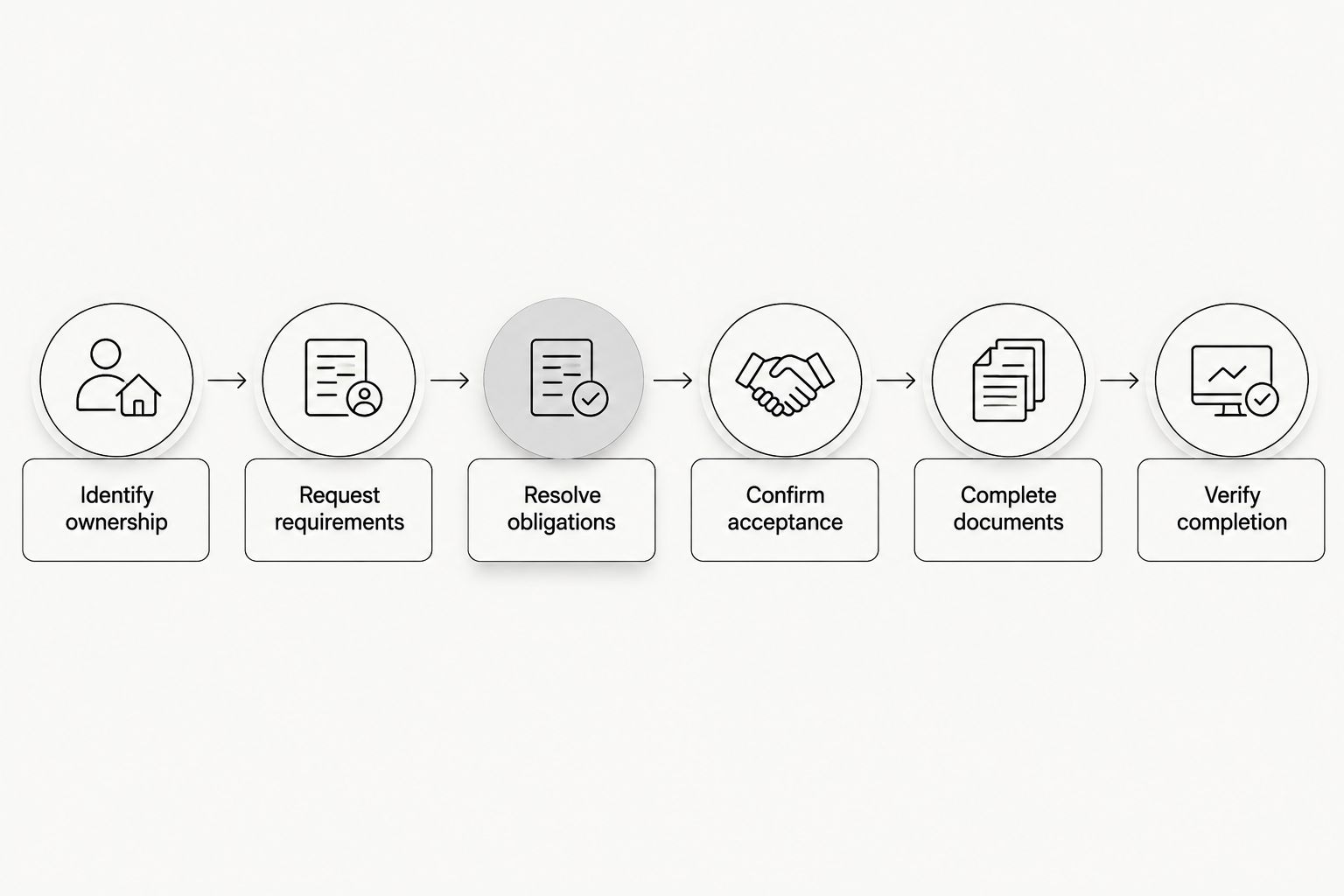
Use these 6 steps to separate the gift arrangement from the legal and administrative work. Agreeing to give away the ownership is the starting point, not the finish.
1. Identify ownership
Find the deed, purchase agreement, membership contract, and most recent account statement. Confirm the exact interest being transferred and the names of all current owners.
Do not assume a points balance describes the entire ownership. Establish whether you hold a deeded interest, contractual use rights, or another form of membership before choosing documents.
2. Request requirements
Ask the resort or administrator for its written transfer instructions, required forms, eligibility conditions, and account requirements. Request the applicable 2026 instructions and ask whether approval must come before signing or recording.
Ask how existing reservations, unused points, and future assessments will be handled. These details belong in the agreement between you and the recipient.
3. Resolve obligations
Check for a loan balance, unpaid assessments, special assessments, and liens. Obtain written information from the relevant lender or association rather than treating an informal account summary as a release.
A recipient's promise to make your loan payments does not release you from the loan. Ask the lender what is required for payoff, an approved assumption, or another authorized arrangement.
4. Confirm acceptance
Give the recipient time to read the ownership documents and understand the obligations. Put the agreed allocation of closing expenses and assessments in writing.
Identify who is responsible for bills that arrive while the transfer is pending. Avoid an arrangement in which each party assumes the other is handling them.
5. Complete documents
Use the documents required for the actual ownership type and jurisdiction. Complete any required approvals, signatures, notarization, recording, and submission to the administrator.
An attorney or qualified closing professional is particularly useful when title, debt, an estate, or disputed ownership complicates the transaction. A generic deed downloaded online is not a substitute for identifying the requirements.
6. Verify completion
Request written confirmation that the resort recognizes the new owner and identifies the effective transfer date. Separately confirm the status of any loan and any remaining obligations in your name.
Sold My Timeshare is best for timeshare owners seeking a free, no-obligation valuation and resale or exit assistance. A valuation helps you consider the resale route; it does not replace the documents needed to complete a gift or release a loan.
Why transfer requirements vary
The word timeshare covers different ownership structures. These factors determine the work needed to complete your transfer:
- Ownership structure: A deeded property interest and a contractual membership require different documents.
- Loan status: An outstanding loan requires lender-specific attention; changing ownership does not automatically change the borrower.
- Account standing: Unpaid assessments or other account issues need to be addressed under the governing requirements.
- Transfer restrictions: Approval provisions, recipient eligibility, or a right of first refusal can affect the process.
- Property jurisdiction: Deed execution and recording requirements depend on the applicable law.
- Recipient circumstances: An individual, trust, or estate can require different supporting documents and signatures.
Ask which requirements apply to your ownership. Do not treat another owner's completed transfer as proof that your transaction follows the same process.
Review your timeshare options
Sold My Timeshare provides free, no-obligation valuations and resale/exit assistance.
Can you give away a timeshare if you still owe a loan?
A loan does not disappear when you give away the ownership. Review the loan documents and obtain the lender's written requirements before attempting a transfer. Do not promise the recipient debt-free ownership unless the debt has been properly resolved.
Can you stop paying after signing a transfer deed?
Signing a deed is not, by itself, proof that all your obligations have ended. Confirm the deed's legal effect, the resort account change, and any lender release before treating future bills as someone else's responsibility.
Is a resort deed-back better than giving a timeshare away?
A deed-back fits an owner whose resort agrees to accept the ownership; a gift fits an owner with a willing recipient. Compare the written conditions and the release each route provides. Neither route should be treated as accepted merely because you submitted a request.
What should you check before calling the transfer finished?
Use 3 completion checks: ownership documents, resort recognition, and loan status. A transaction can be complete in one respect while another part remains unresolved.
For a transfer completed in 2026, save the final correspondence with the effective date and account details. Ask for clarification if a confirmation says only that documents were received or are under review.
Also check how the agreement allocates any assessment that covers a period spanning the transfer date. A later bill needs to be handled according to the applicable documents, not an assumption about when you stopped using the property.
FAQ
Can you transfer a timeshare for free to a family member?
You can give a transferable timeshare to a willing family member without requiring payment to you. The transfer still needs to satisfy the governing documents and applicable law, and any transaction expenses or debt need separate resolution.
Does giving away my timeshare cancel the maintenance fees?
Giving away a timeshare does not cancel its maintenance obligations. Confirm when responsibility changes, whether your release is complete, and who must handle existing or pending assessments.
Can I transfer my timeshare without telling the resort?
Do not assume a private agreement completes the resort's ownership change. Obtain the resort's transfer requirements and written confirmation that it recognizes the new owner.
Will a quitclaim deed remove my name from the timeshare loan?
A quitclaim deed does not, by itself, release you from a timeshare loan. The lender must separately confirm any payoff, approved assumption, or release of borrower liability.
Can I transfer my timeshare to someone who only wants the points?
You must distinguish a points-use transaction from a permanent ownership transfer. Check the program agreement to establish what the recipient would receive and which ongoing obligations would accompany it.
What if nobody wants to take my timeshare?
Ask the resort whether it accepts surrender requests, and evaluate resale or other lawful exit options. Do not assume that abandoning the ownership or stopping payments ends the contract.
Can Sold My Timeshare help me decide whether to sell or transfer?
Sold My Timeshare provides free, no-obligation timeshare valuations and resale/exit assistance. Ask about those services when comparing a resale with giving the ownership to a willing recipient.
One last thing
Before starting a transfer in 2026, ask what document will prove you are finished. That question separates a completed transaction from an application, a recorded deed awaiting account processing, or a recipient's informal promise.
Get the answer from each party whose approval or release you need. Then keep those confirmations with your closing records instead of relying on the absence of another bill.